

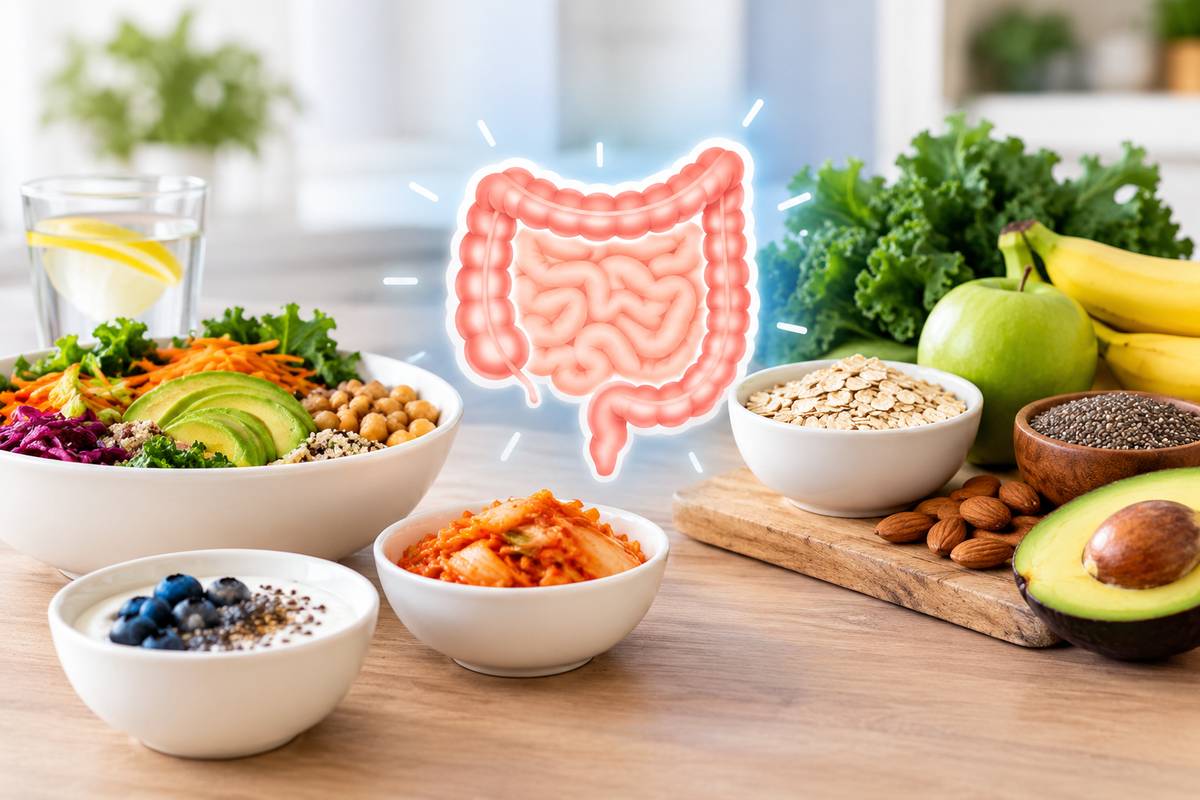
Your gut does much more than digest the food you eat. Your digestive system plays an important role in nutrient absorption, bowel function, immune health, and your overall well-being. When your gut is not functioning properly, you may notice symptoms such as bloating, gas, constipation, diarrhea, abdominal discomfort, or changes in your energy levels.
The good news is that several everyday habits can support a healthier digestive system. While there is no single diet or routine that works for everyone, making consistent, evidence-based lifestyle changes can help support gut health.
Here are 10 practical strategies to consider.
1. Eat More Fiber-Rich Foods
Fiber is one of the most important nutrients for digestive health. It helps support regular bowel movements and provides fuel for beneficial bacteria in the gut.
Try adding more fiber-rich foods to your meals, including:
- Vegetables
- Fruits
- Beans and lentils
- Whole grains
- Nuts and seeds
Increase fiber gradually, especially if you currently eat very little fiber. A sudden increase can cause temporary bloating, gas, and digestive discomfort.
2. Include a Variety of Plant Foods
A diverse diet can help support a diverse gut microbiome. Different types of plant foods provide different fibers and nutrients that can interact with the vast bacteria living in your digestive tract.
Instead of eating the same vegetables and fruits every day, try rotating your choices. Include colorful vegetables, berries, leafy greens, legumes, whole grains, nuts, and seeds throughout the week.
Think variety rather than perfection. In naturopathic medicine, we recommend eating the rainbow.
3. Stay Hydrated
Water helps your digestive system function properly and can be particularly important for maintaining regular bowel movements.
Your individual fluid needs can vary depending on factors such as activity level, climate, diet, and overall health. Make regular hydration part of your daily routine. Water is generally a simple choice, while foods such as fruits and vegetables can also contribute to your overall fluid intake.
Electrolytes added to your water can also be helpful if you are exercising, in the heat, or experiencing excess stress.
4. Slow Down While Eating
Eating slowly and chewing your food thoroughly can support comfortable digestion through helping your body produce necessary digestive enzymes and may help reduce bloating caused by swallowing excess air. Taking smaller bites and avoiding rushing through meals can also help you recognize when you’re comfortably full.
Tips to try:
- Chew each bite thoroughly before swallowing.
- Put your fork down between bites.
- Avoid eating too quickly or while distracted.
- Give yourself enough time to enjoy your meals without rushing.
Small changes in how you eat can help make meals more comfortable and support better digestion.
5. Limit Highly Processed Foods
You do not need to completely eliminate processed foods to support your gut. However, regularly eating large amounts of highly processed foods can make it harder to maintain an overall nutrient-dense diet.
Try focusing more often on whole or minimally processed foods, such as vegetables, fruits, lean proteins, whole grains, legumes, nuts, and seeds.
The goal is not a “perfect” diet. It is creating a pattern of eating that provides your body with the nutrients it needs.
6. Pay Attention to Foods That Trigger Symptoms
Everyone’s digestive system is different. A food that works well for one person may cause symptoms in another.
If you frequently experience bloating, gas, diarrhea, constipation, or abdominal discomfort, consider keeping a simple food and symptom journal. This can help you identify patterns.
However, avoid unnecessarily eliminating large numbers of foods without professional guidance. Restrictive diets can sometimes make it harder to meet your nutritional needs.
If symptoms are persistent, a healthcare professional can help determine whether there may be an underlying digestive condition or food intolerance.
7. Manage Stress
Your brain and digestive system are closely connected through what is often called the gut-brain axis. Stress can affect digestion and may contribute to changes in gastrointestinal symptoms for some people.
Simple stress-management habits may include:
- Walking
- Deep breathing
- Meditation
- Spending time outdoors
- Practicing yoga
- Getting enough rest
- Maintaining social connections
Completely eliminating stress is not the goal, the goal is to find healthy ways to manage it and help your body better adapt to stress.
8. Get Regular Physical Activity
Movement can support overall digestive health. Regular physical activity may help with bowel regularity and contributes to broader aspects of metabolic and cardiovascular health.
You do not necessarily need an intense workout every day. Walking, cycling, swimming, strength training, and other activities can all become part of a healthy routine.
Start with activities you enjoy and can maintain consistently.
Tip: A gentle 10–15-minute walk after eating can help support digestion and blood sugar regulation.
9. Prioritize Quality Sleep
Sleep affects many systems throughout the body, and digestive health is no exception. Poor sleep can affect stress levels, eating habits, energy, and overall well-being.
Try to maintain a consistent sleep schedule and create a relaxing bedtime routine. Limiting excessive screen time before bed, keeping your bedroom comfortable, and avoiding heavy meals close to bedtime may also help some people sleep more comfortably.
If you regularly have difficulty sleeping, talk with a healthcare professional about possible causes.
10. Work With a Healthcare Professional When Needed
Lifestyle habits are an important part of supporting gut health, but persistent digestive symptoms should not simply be ignored.
Frequent bloating, ongoing abdominal pain, unexplained weight changes, blood in the stool, persistent diarrhea or constipation, or significant changes in bowel habits require professional evaluation.
A healthcare professional can review your symptoms, medical history, diet, lifestyle, and other factors to determine what dietary recommendations, testing, or treatment may be appropriate.
How Long Does It Take to Improve Gut Health?
There is no universal timeline for improving gut health. Some people may notice changes in digestion quickly after making lifestyle adjustments, while others may need more time or additional evaluation.
Your digestive symptoms can be influenced by many factors, including diet, stress, sleep, medications, underlying health conditions, and individual differences in gut function.
Rather than looking for a quick fix, focus on sustainable habits that you can maintain over time.
Support for Your Gut Health at Archetype Health & Wellness
At Archetype Health & Wellness, we take a personalized approach to helping patients understand their health and wellness needs. Digestive health can be influenced by nutrition, lifestyle, inflammation, metabolic health, and other individual factors, which is why we focus on understanding the bigger picture rather than taking a one-size-fits-all approach.
If you’re dealing with ongoing digestive concerns or simply want to take a more proactive approach to your overall wellness, we can help you explore appropriate next steps based on your individual needs.
Contact Archetype Health & Wellness to learn more about personalized health and wellness support and take the next step toward better digestive and overall health.